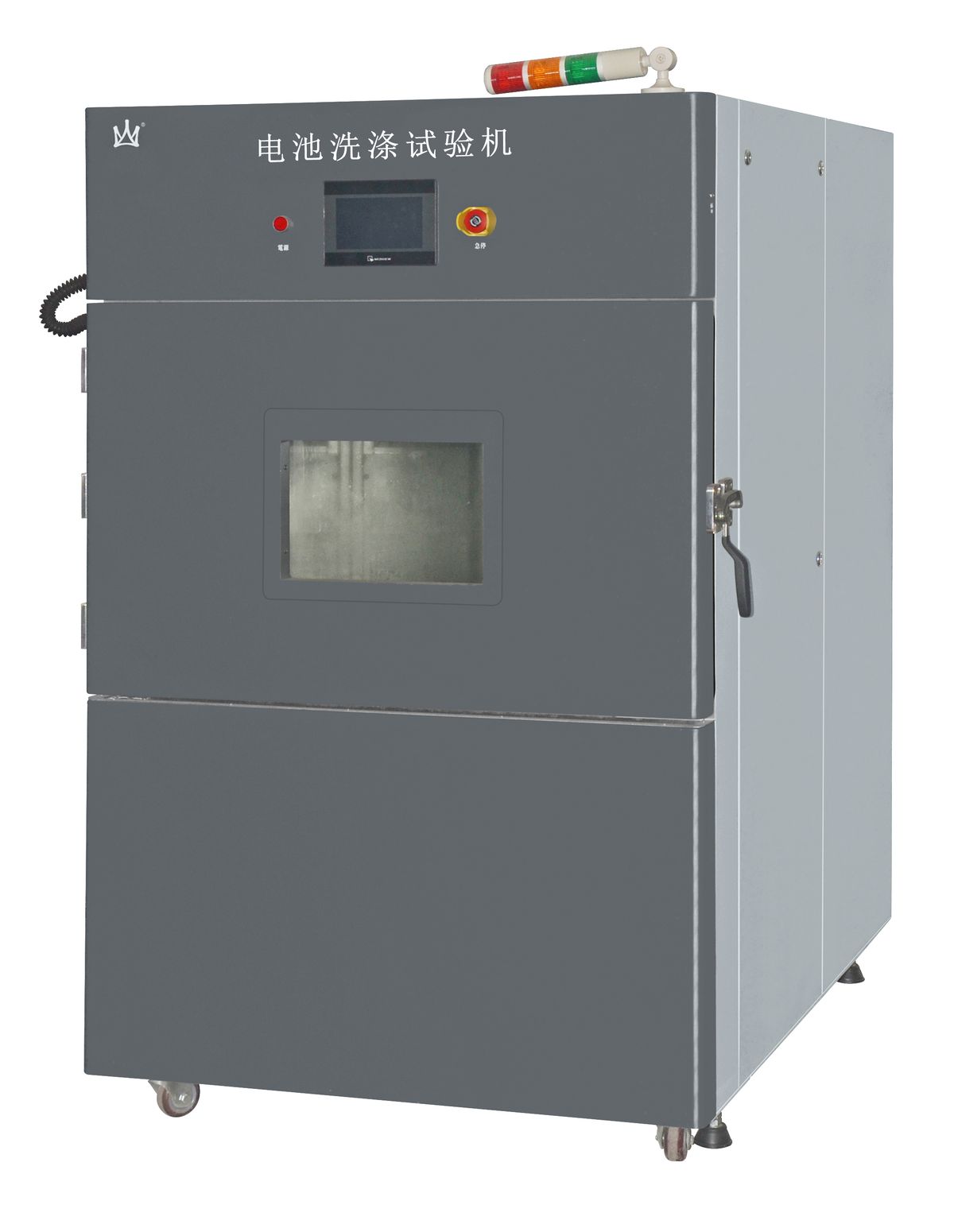
Salt Water Immersion Test Chamber
Model: VT-ESA-HIPOT
Simulates salt water exposure for EV battery pack sealing and electrical safety verification. Per IEC 60068-2-11 and GB/T 31467.3.
Hi-pot, insulation resistance and ground continuity testers — the final electrical safety gate for batteries, chargers, inverters and power equipment.
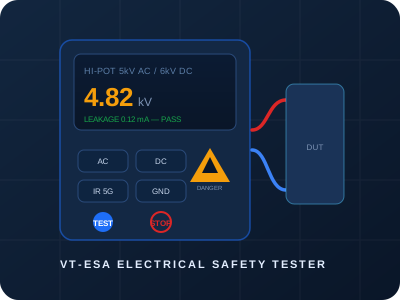
The VT-ESA series performs the full suite of electrical safety tests required by IEC 61010, UL and GB 4706: AC/DC hi-pot, insulation resistance and ground continuity — with pass/fail decisions in seconds.
| Model | Test Function | Key Specification | Accuracy | Best For |
|---|---|---|---|---|
| VT-HP-5K | AC/DC Hi-pot | AC 5 kV / DC 6 kV, 10 mA | ±2% | Battery packs, chargers, inverters |
| VT-IR-5G | Insulation Resistance | 0.1 MΩ–1 TΩ @ 5 kV | ±3% | High-voltage equipment insulation |
| VT-GC-30A | Ground Continuity | 30 A, 0.001–0.5 Ω | ±2% | Grounding verification per IEC 61010 |
| VT-ESA-COMBO | Hi-pot + IR + Ground | All-in-one test station | ±2–3% | Pack EOL and production lines |
Combo stations integrate with battery module/pack test benches for a complete EOL sequence.
AC 5 kV and DC 6 kV output covers EV pack and industrial equipment requirements.
Leakage current measured to 10 µA resolution with arc detection for insulation faults.
Sub-second ramp and measurement cycles keep production takt times low.
Automatic DUT discharge after hi-pot protects operators and downstream equipment.
Sequence hi-pot, IR and ground tests into one key-press program per product.
Store results by serial number and export to MES for full production traceability.
Two-hand start, door interlocks and e-stop as standard for operator protection.
19-inch rack-mount options integrate directly into existing test benches.
Every product that carries current deserves a final electrical safety check.
Tell us your test standard and DUT voltage class — we'll configure the right tester.
Request a Quote →Free application consultation · 24-hour response
Model: VT-ESA-HIPOT
Simulates salt water exposure for EV battery pack sealing and electrical safety verification. Per IEC 60068-2-11 and GB/T 31467.3.
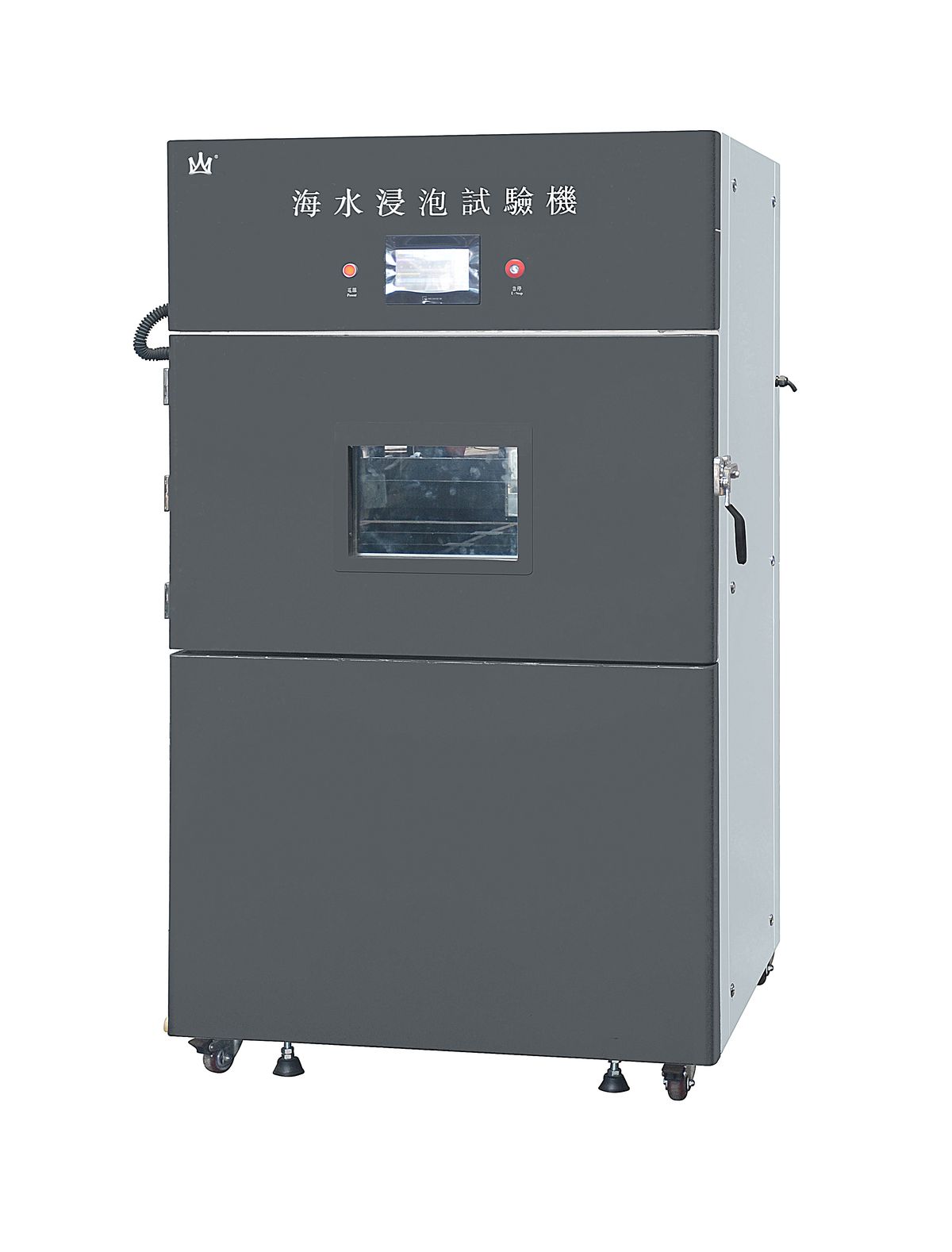
Model: VT-ESA-IR
NSS/AASS/CASS salt spray testing for battery enclosure corrosion resistance. Validates long-term electrical safety under corrosive conditions.
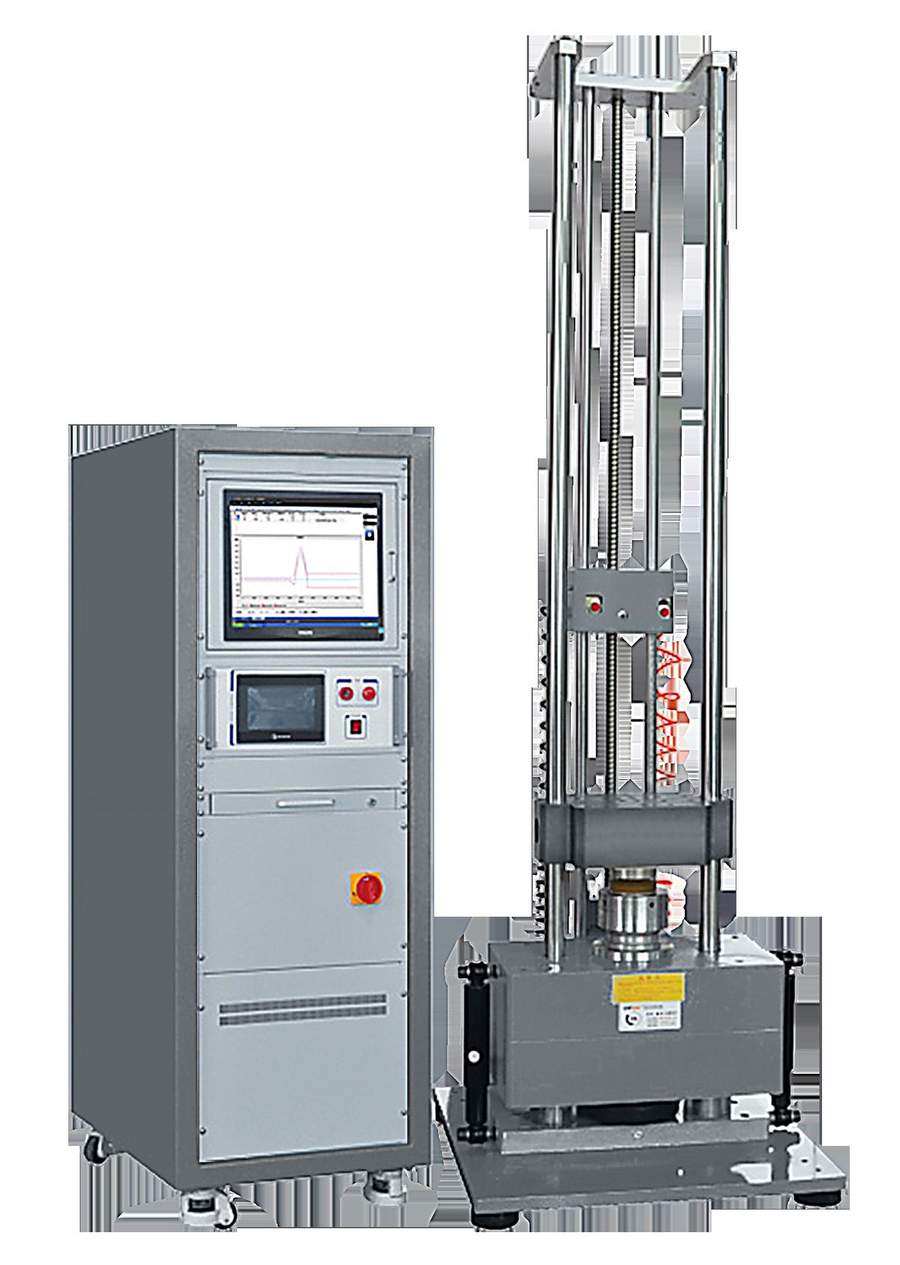
Model: VT-ESA-GND
Impact resistance testing platform for battery pack structural integrity. Validates grounding continuity after mechanical stress per UN 38.3 T.4.
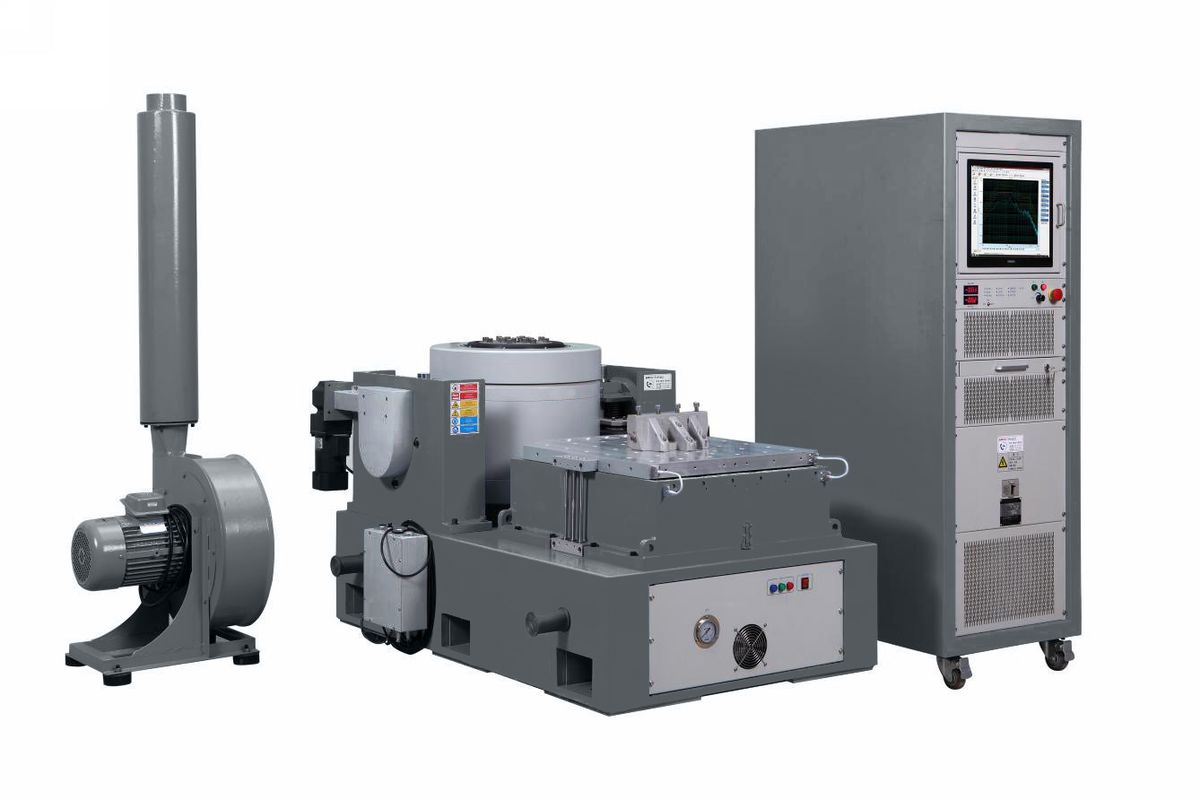
Model: VT-ESA-CABLE
Electrodynamic vibration testing for battery packs under transport and operational conditions. Per IEC 60068-2-6 and GB/T 31467.3.
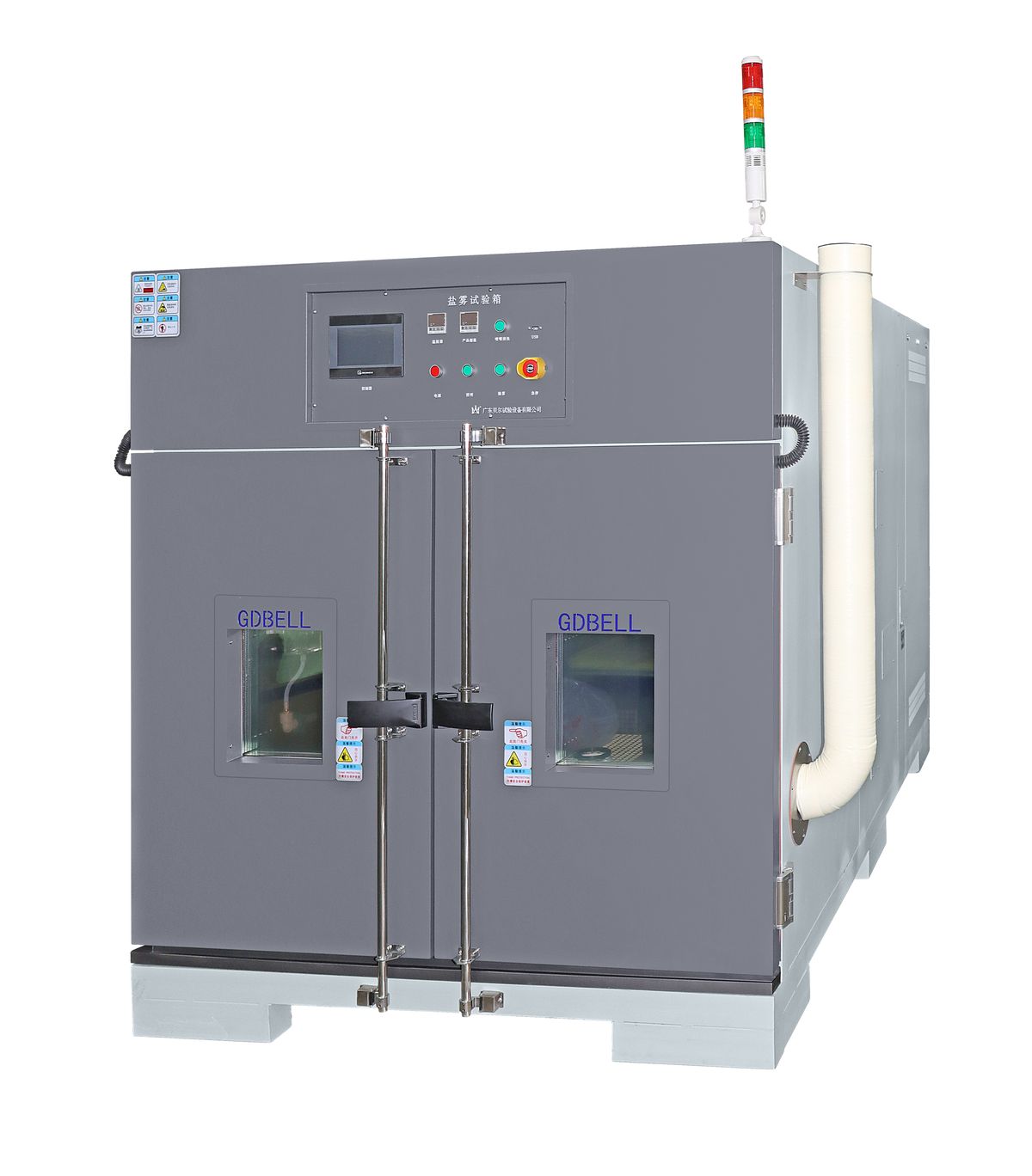
Model: VT-ESA-PD
Accelerated corrosion testing for battery terminals and connectors. Simulates harsh marine and road salt environments per ISO 9227.
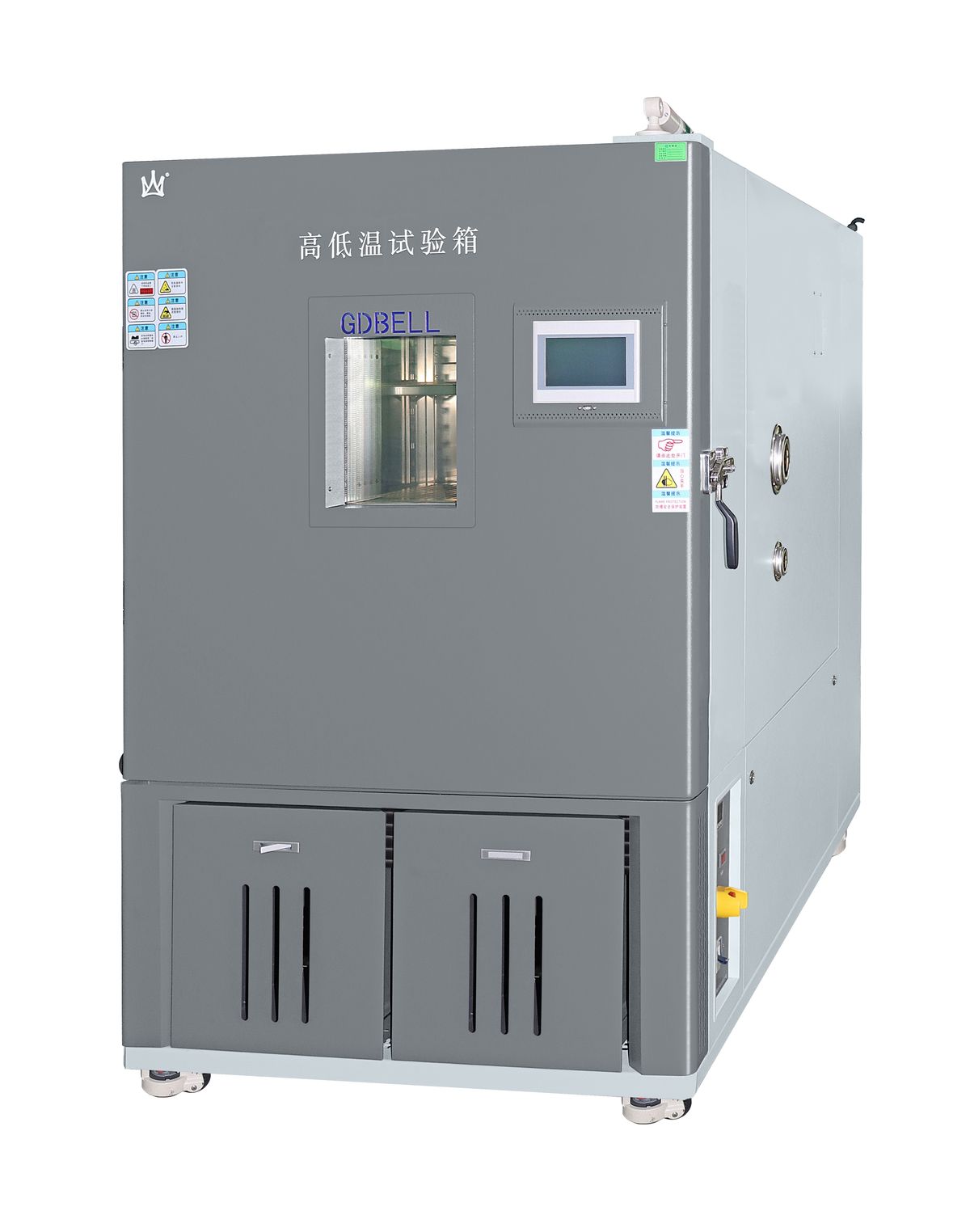
Model: VT-ESA-LEAK
Large capacity environmental chamber for full EV pack testing. Temperature -70°C to +150°C, humidity control for comprehensive electrical safety validation.
A hi-pot (dielectric withstand) test applies a high voltage (typically 500–5000 V DC or AC) between the battery's live conductors and its enclosure or external terminals to verify insulation integrity. It ensures that the battery can withstand voltage transients without dangerous breakdown or arc-over.
For EV and ESS battery packs, insulation resistance should be ≥500 Ω/V of the pack's nominal voltage (e.g., ≥192 kΩ for a 384 V pack) per IEC 62133 and GB/T 31485. For consumer cells, ≥100 MΩ at 500 V DC is typical. The VoltTest electrical safety tester measures from 0.01 Ω to 10 GΩ with ±2% accuracy.
Yes. The VoltTest electrical safety tester is designed for automated EOL integration with PLC trigger inputs, pass/fail outputs, and RS-485/Ethernet communication. It can be combined with pack test systems to perform insulation and hi-pot tests as part of the automated EOL sequence.
Electrical safety testing is mandated by IEC 62133-2, GB/T 31485, GB 38031, UL 1973 and UN 38.3 for lithium battery packs. These standards require insulation resistance, dielectric withstand and continuity verification as part of the type test and production safety verification.
Insulation resistance testing applies a moderate DC voltage (e.g., 500 V) and measures the resistance value (in MΩ or GΩ) — it quantifies insulation quality. Dielectric withstand (hi-pot) testing applies a higher voltage (e.g., 1500 V AC) for a set duration and checks for breakdown — it verifies safety margin. Both are complementary and both are performed in battery EOL testing.
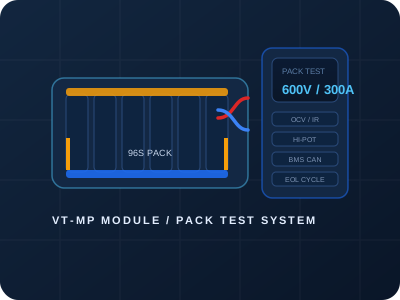
Integrated EOL benches that include electrical safety test steps.
View module/pack test system specs →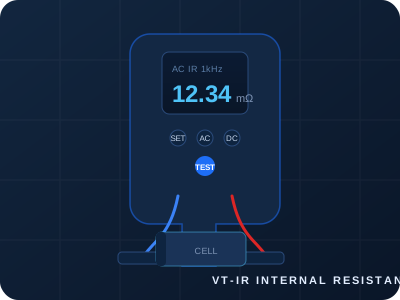
Pair insulation testing with DCIR for a complete cell health check.
View internal resistance tester specs →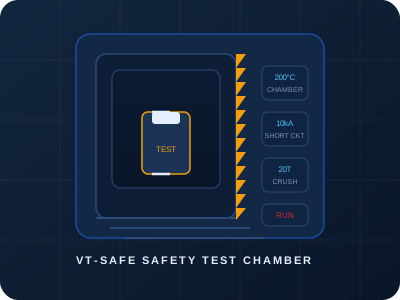
Abuse testing chambers for the standards that govern battery safety.
View safety test chamber specs →Get a quotation with safety accessories, PLC integration and certification support — delivered within 24 hours.